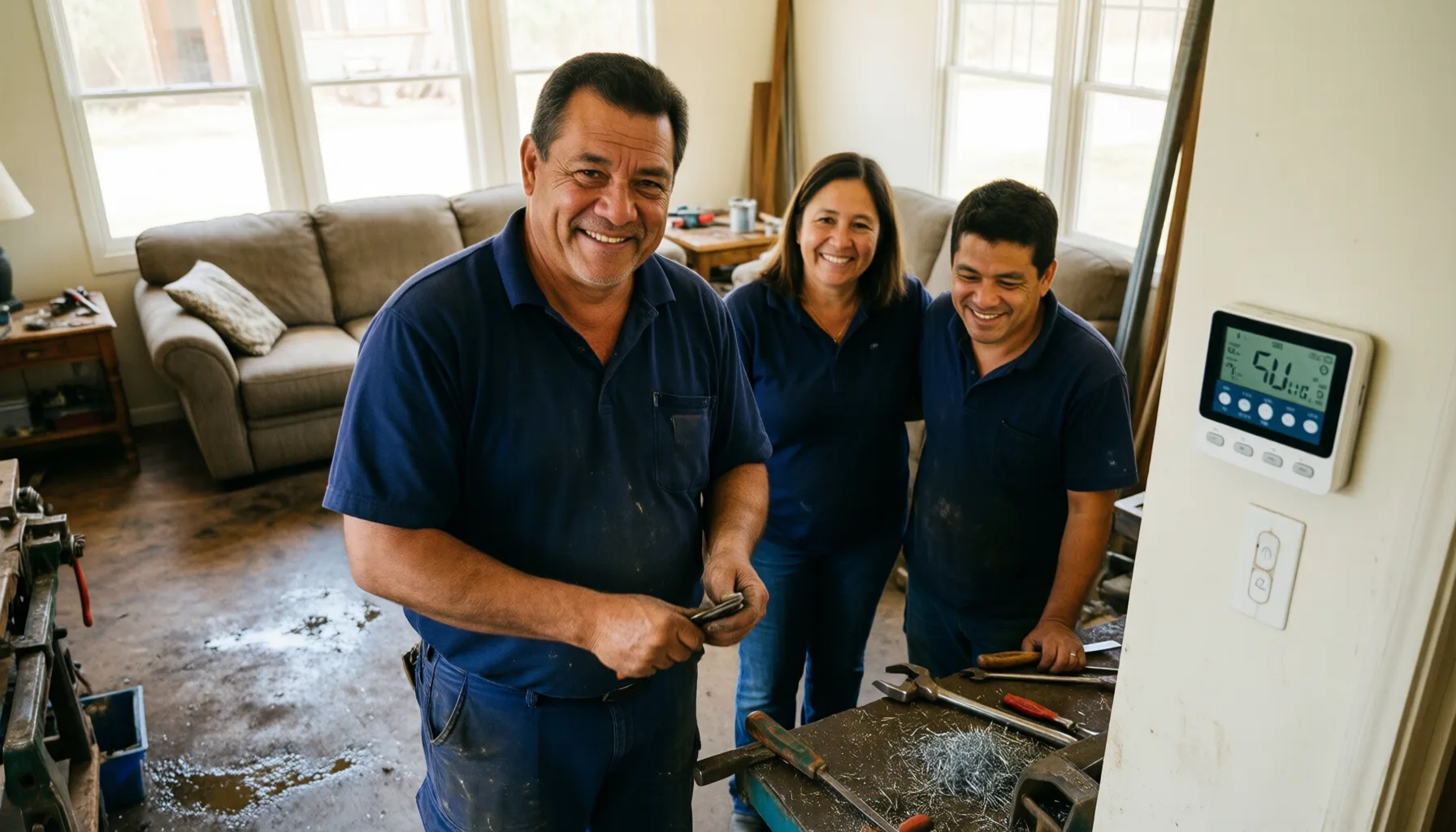
Understanding SEER and EER Ratings for AC in Miami Beach
Published: 2026-06-18 · By CoolGods AC Repair
Living in Miami Beach, the warmth and humidity are part of your everyday life. However, did you know that the efficiency of your air conditioning unit can significantly impact your comfort, as well as your utility bills? Understanding SEER (Seasonal Energy Efficiency Ratio) and EER (Energy Efficiency Ratio) ratings is essential, especially in a coastal city where conditions can be extreme. The right rating can mean the difference between a cool oasis in your living room and an ever-increasing electric bill as you try to fight off the sweltering heat. As a Miami Beach homeowner, are you getting the most out of your AC system?
Why This Matters for Miami Beach Homeowners
High humidity, salt air, and the potential for tropical storms create unique challenges for Miami Beach homeowners when it comes to air conditioning. Corrosion is accelerated due to the coastal environment, which can drastically reduce the lifespan of your AC unit. The SEER and EER ratings play critical roles in determining the efficiency of your system and its ability to cope with these local conditions.
Many homeowners may not realize how these ratings directly influence performance and longevity. A unit with a low SEER rating may struggle in extreme humidity, leading to inflated energy costs and a greater likelihood of breakdowns. This can become a significant financial burden, especially when considering the repair costs associated with storm damage.
Additionally, Miami Beach's building codes often emphasize insulation and moisture barriers that can influence which AC units are ideal for homes in the area. Choosing the wrong system could lead to compatibility issues, heightening repair costs over time.
Expert Solutions & Actionable Tips
1. Choose the Right SEER Rating
In Miami Beach, look for AC units with a SEER rating of at least 16, especially for homes situated near the coast where humidity is rampant. A unit with this rating can provide significant savings on energy bills, often reducing them by 20-30% annually. While these units might cost around $2,500 to $4,500, the long-term savings can justify the investment.
2. Know When to Replace
If your air conditioning system is over ten years old, it may be time to invest in an upgrade. Frequent repairs, particularly after tropical storms, can lead to unexpected outages that disrupt your comfort. Comparison costs for a new unit range between $3,000 and $7,000. Switching to a new, energy-efficient model can prevent larger repair costs down the line.
3. Understand Local Humidity Effects
Given the high humidity in Miami Beach, make sure your AC unit also has a high EER rating. A good EER for urban homes is around 12 or higher. This feature helps dehumidify your living space effectively, keeping indoor air quality at its best while ensuring you remain cool. For certain models, this upgrade can be an additional $300 to $600.
4. Regular Maintenance Matters
Implementing a regular maintenance schedule is crucial in keeping your AC running at peak performance. In Miami Beach, professionals often recommend semi-annual servicing. Maintenance costs typically range from $75 to $150 per visit, but prioritizing this can prevent costly repairs caused by corrosion and sediment buildup.
5. Invest in Quality Air Filters
High-quality air filters can enhance the efficiency of your AC and protect it from salt air corrosion. Opt for MERV-rated filters which offer optimal airflow filtration. A good filter replacement can cost between $15 to $50 depending on the size needed. Regular replacement helps your system run effectively, potentially saving you 5-15% on your electricity bill.
6. Be Proactive About Corrosion
Consider using protective coatings on exposed metal parts of your AC unit to guard against salt air corrosion. These treatments are particularly beneficial for homes in Miami Beach. Application can run between $100 to $300, which is a small price to pay compared to what replacing a corroded unit can cost.
Miami Beach Climate & Local Context
Miami Beach's tropical climate poses challenges for air conditioning systems. Homes often have elevated structures designed to mitigate flooding risks, and a strong emphasis is placed on effective moisture barriers. This design helps limit damage from both high humidity and the corrosive effects of salt air.
Local building codes may dictate the type of AC units that can be installed, specifically focusing on energy efficiency and storm readiness. Ensuring compliance with these codes not only protects your home but also can potentially add to the home’s value.
The prevalence of salt air necessitates consistent vigilance as corrosion can manifest quickly on metal fixtures, impacting long-term function and reliability. Many residents find themselves frequently undergoing maintenance to ensure systems remain efficient and safe.
When to Call a Professional
Deciding when to handle repairs yourself, versus hiring a professional, can be nuanced. A DIY approach can save money for minor tasks but requires significant confidence in your skills and knowledge.
Consider calling a professional when encountering ongoing system failures or technical issues beyond basic troubleshooting. Here are some red flags indicating that a professional should be contacted:
- Frequent breakdowns or inefficiency.
- Water leaks around the unit.
- Unusual noises like rattling or grinding sounds.
- Active corrosion or rust on the AC unit.
- Unresponsive thermostat or control issues.
- High humidity levels indoors despite system running.
- Foul odors coming from the vents.
If any of these signals arise, it's best to reach out to an expert to avoid escalating problems and potentially costly repairs needed later.
Frequently Asked Questions
What is the best SEER rating for AC units in Miami Beach?
The best SEER rating for AC units in Miami Beach is typically 16 or higher, as this offers optimal energy savings and efficiency suited for humid conditions.
How do I know if my AC needs repair or replacement?
Indicators include frequent repairs, high energy bills, and age of the unit. If costs begin to exceed 50% of a replacement, consider a new unit.
What maintenance is necessary for coastal homes?
Regular maintenance should include cleaning filters, checking for corrosion, and ensuring proper drainage, especially in high-humidity coastal environments.
How does salt air affect AC units?
Salt air can accelerate corrosion and damage metal components of your AC system, reducing its efficiency and lifespan.
Can I really save on energy bills with a high SEER AC unit?
Yes, investing in a high SEER unit can significantly reduce your energy bills, often by 20-30%, making it a cost-effective long-term investment.
Get Expert Air Conditioning Repair Service in Miami Beach
For Miami Beach homeowners looking to improve their air conditioning systems, understanding SEER and EER ratings is crucial. If you need help assessing your options or require professional service, call (645) 208-2973 today.
Trust CoolGods AC Repair to provide expert service and tailored solutions for your air conditioning needs here in Miami Beach.